Your facility requires regular sanitation protocols tailored to unique hazards, daily throughput, allergen management, and inspection schedules, with verifiable documentation validating food safety measures, compliance audits, and public health regulations. The details below provide details about essential cleaning protocols.
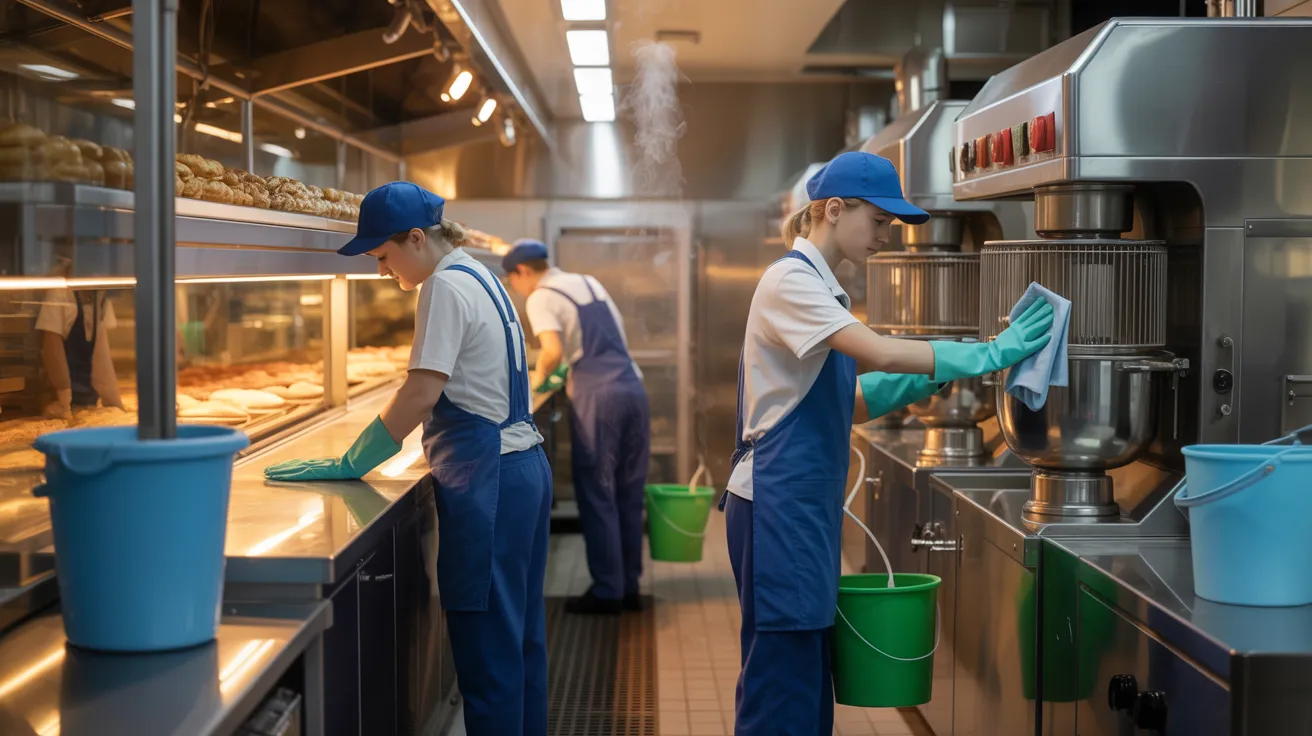
Essential Summary
- Brampton food safety cleaning experts maintain restaurants, grocery departments, commissaries, warehouses, bakeries, schools, mobile vendors, and allergen-sensitive operations.
- Area-specific procedures clean frequently contacted areas, food-contact equipment, kitchens, floors, drains, restrooms, and storage areas for eliminating cross-contamination.
- Qualified providers validate proper chemical concentration, alignment, and exposure duration, then record conclusion with tests, assessments, and correction logs.
- Hygiene calendars should respect danger, throughput, changeovers, accidents, and regulations, with everyday, periodic, and periodic tasks allocated by area.
- Liability, color-coded instruments, HACCP, public-health expertise, safety training instruction, endorsements, and assessment-ready hygiene records are vital provider attributes.
Food Safety Cleaning Requirements for Brampton Establishments
You must evaluation comply with food safety cleaning if your establishment is covered by health inspections, food codes, or HACCP protocols. This covers eateries, dining areas, supply warehouses, retail departments, meat counters, fish departments, general stores, and facility-based kitchens.
You also need adherent sanitation protocols in storage facilities, food production centers, refrigerated locations, bakery retailers, school meal programs, event venues, and food distribution hubs. Mobile and temporary operations count too, including catering trucks, festival vendors, and pop-up food booths. If your staff work with raw supplies, divide prepared foods, warm dishes, or organize allergen inventory, your facility needs recorded sanitation procedures. In Brampton, hygiene isn't discretionary; it's part of statutory, business, and public health compliance.
What Do Brampton Cleaning Experts Clean?
Your operation needs cleaning professionals who sanitize all high-touch areas, kitchens, floors, and restrooms for food safety and health code adherence. These specific areas are emphasized because they represent the most significant contamination risk, trip and slip dangers, and violations of hygiene standards.
If you grasp what they sanitize, you'll be able to confirm your operation satisfies required operational and regulatory standards.
High-Touch Surface Cleaning
determine how often each point is sanitized
Maintaining a directional process, changing wipes, and organizing sanitization equipment by area ensures that cleaning stays verifiable, documented, and inspection-ready at all times
Kitchens, Floors, and Restrooms
Expect Brampton cleaning experts to focus on kitchens, floors, and restrooms because each area carries unique foodborne illness prevention, accident prevention, and sanitation risks. In industrial kitchens, you need degreasing on cook lines, equipment exteriors, drains, prep surfaces, and splash zones to minimize contamination and pest pressure.
Documented floor maintenance is likewise provided as part of the service.
Restroom sanitation requires decontaminating touch areas, bathroom equipment, stall barriers, supply stations, and bins, restocking supplies and controlling odours. They also maintain restaurant cleaning supply rooms where product storage, sink cleanliness, and drain systems impact daily sanitation standards and worker protection.
The Importance of Food Safety Cleaning in Brampton
To adhere to health code requirements and pass inspections, Brampton facilities must maintain food-safe cleaning standards. You also minimize bacterial spread through proper cleaning of food-preparation surfaces, appliances, and frequently-touched items. Most importantly, you safeguard public health by lowering the risk of foodborne illness in your facility.
Regulatory Code Requirements
Because Brampton food operations operate under rigorous sanitary regulations, food safety cleaning directly affects your capability to fulfill health code requirements, protect customers, and avoid enforcement action. You must maintain hygienic food handling zones, verifiable cleaning logs, proper chemical use, and traceable training practices that comply with municipal and provincial inspection expectations.
When inspectors evaluate your operation, they analyze whether your sanitation system supports safe storage, tool sterilization, waste handling, and facility cleanliness.
Cross-Contamination Prevention
Maintaining health code standards copyrights on your capacity to prevent cross-contamination during daily food handling and cleaning. You need to partition uncooked items from finished dishes, sterilize work zones between assignments, and store chemicals away from food-contact items. Clear procedures reduce transfer risks and reinforce steady regulatory adherence.
You might establish allergen separation to stop main allergens from reaching common areas, containers, or machinery. Use dedicated cutting boards, color-coded tools, and rigorous tool identification so team members avoid blending products throughout cooking or delivery. Mandate handwashing after handling raw meat, seafood, eggs, or allergen-containing products. Change wiping cloths regularly, and check sanitizer strength with test strips. When employees learn these procedures every shift, you develop a more sanitary, secure business that matches Brampton's safety requirements every day.
Public Health Defense
If food safety cleaning deteriorates, you don't merely risk a failed inspection—you amplify the risk of pathogenic contamination harming customers, staff, and the broader Brampton region. You also weaken your role in safeguarding community wellness, especially in high-traffic food premises where pathogens travel quickly through surfaces, equipment, and touchpoints.
You need cleaning protocols that eliminate contaminants, disinfect properly, and verify results. That requires adhering to contact times, using approved disinfectants, recording cleaning times, and educating employees to meet regulatory standards. These controls support disease prevention by reducing pathogens before they contaminate surfaces or food. In Brampton, rigorous cleaning protects vulnerable populations, limits outbreak potential, and enables you to show proper care. When you clean to standard, you exceed basic requirements—you substantially decrease danger and support safer food service citywide.
In What Ways Does Cleaning Help Achieve Food Safety Compliance?
Committing to comprehensive cleaning schedules reinforces food safety compliance by minimizing contamination hazards, controlling pathogen growth, and maintaining your facility's adherence to sanitation requirements under HACCP-based programs and public health regulations. You verify that contact surfaces appear visibly clean and microbiologically controlled, backing documented preventive controls and inspection readiness.
Cleaning programs additionally upgrade allergen management by extracting residues that can provoke undeclared allergen exposure.
How Ought You Plan Commercial Cleaning Work?
food-contact surfaces, bathrooms, and high-touch areas
Schedule drains, vents, storage racks, and hard-to-reach equipment zones weekly or every month, based on inspection findings and sanitation records.
Finding Quality Brampton Cleaning Experts: A Guide
Start by screening providers against food-safe sanitation requirements, not price alone. You should verify that each company understands CFIA, public health, and HACCP compliance standards relevant to your facility. Ask for proof of insurance, WHMIS compliance, documented staff training, and supervision practices. Review whether technicians understand contamination prevention, chemical handling, and traceable sanitation records.
You should further examine service consistency and accountability. Request testimonials from Brampton food businesses, then review reply speed, corrective-action procedures, and communication protocols. Validate the company facilitates supplier audits and can present inspection-ready documentation to authorities or third parties. Confirm equipment receives maintenance, color-coded implements are used appropriately, and facility-specific risks are recognized. A qualified provider ensures regulatory compliance, product integrity, and your reputation in the market.
What does a Food Safety Cleaning Plan encompass?
Document a plan that outlines every sanitation task, standard, and responsibility before starting production. You should record cleaning frequencies, approved chemicals, dilution rates, contact times, tools, and verification methods for each zone, surface, and piece of equipment. Ensure you include pre-operational inspections, corrective actions, and employee training requirements.
Your plan should also include cross-contamination prevention, waste disposal, pest management measures, and scheduled documentation for restrooms, drains, floors, and food-contact areas. Clarify how you'll separate raw and ready-to-eat processes, help with ingredient tracking, and maintain accurate allergen labeling through validated cleaning between product changes. You should establish accountability, maintain signed records, and review results against regulatory standards, HACCP controls, and customer requirements. When gaps appear, adjust procedures immediately and re-educate staff.
Popular Inquired Questions
Can sanitation providers support nighttime operations in Brampton facilities?
If you manage regulated spaces, you'll also need documentation that support audits and ensure compliance.
Do Brampton cleaning experts provide hazard containment services?
Yes, you can discover many Brampton sanitation experts providing spill response services. They manage contamination, evaluate risks, isolate contamination, and initiate rapid cleanup to minimize exposure and avoid operational impact. You should confirm timeframes, credentials, PPE measures, and disposal methods. If your facility must meet compliance standards, pick a provider that documents events, follows procedures, and ensures audit compliance.
Will plant-based disinfectants protect safely food-handling equipment?
In essence, eco-friendly disinfectants are safe for food-handling equipment provided you select solutions certified for food use that comply with regulatory standards. Check contact duration, dilution ratios, and rinse requirements ahead of deployment. Natural-based solutions reduce chemical hazards, although you must have confirmation of performance against relevant pathogens. To preserve surfaces without residue, stick to exact manufacturer guidelines and validate the disinfecting agent meets food industry regulations.
Will cleaning schedules respond to seasonal shifts?
Certainly, maintenance plans adjust to seasonal production changes effectively. Modify schedules, personnel, chemicals, and testing procedures to match with production rhythms while upholding regulatory requirements. Reduce production interruptions by organizing disinfection during equipment transitions, peak volumes, and operational patterns. Concurrently update written procedures, employee training, and environmental monitoring to account temporary risks, novel allergens, or higher contamination levels. Ongoing evaluations maintain the plan efficient.
Do professional cleaners coach your team in proper hygiene techniques?
Certainly, commercial cleaners coach your employees on hygiene protocols. You secure staff training on proper chemical use, contact times, cross-contamination prevention, machine disassembly, and documentation. They typically align instruction with HACCP, GMP, and CFIA or local public health requirements. Many execute health assessments to check standards, identify gaps, and strengthen corrective measures. This helps you maintain consistent procedures, pass inspections, and reduce food safety risks daily.
Final Thoughts
Through working with Brampton commercial cleaning and food safety specialists, you accomplish much beyond organizing—you keep your operation prepared for inspections and your procedures meet requirements. From kitchen spaces to processing areas, all clean areas and organized zones reduce contamination risks and avoid major losses. Through scheduling maintenance at proper intervals and sticking to a solid cleaning plan, you ensure protection for employees, clients, and your good name. Within strict regulatory frameworks, proper sanitation cannot be considered optional—they are fundamental to success.